
Home EV Charger Cost in Saudi Arabia 2026: 7kW vs 11kW vs 22kW Prices
Home EV charger prices in Saudi Arabia (2026): 7kW vs 11kW vs 22kW units, installation fees, brands that handle 40°C summers, and the right size for your EV.
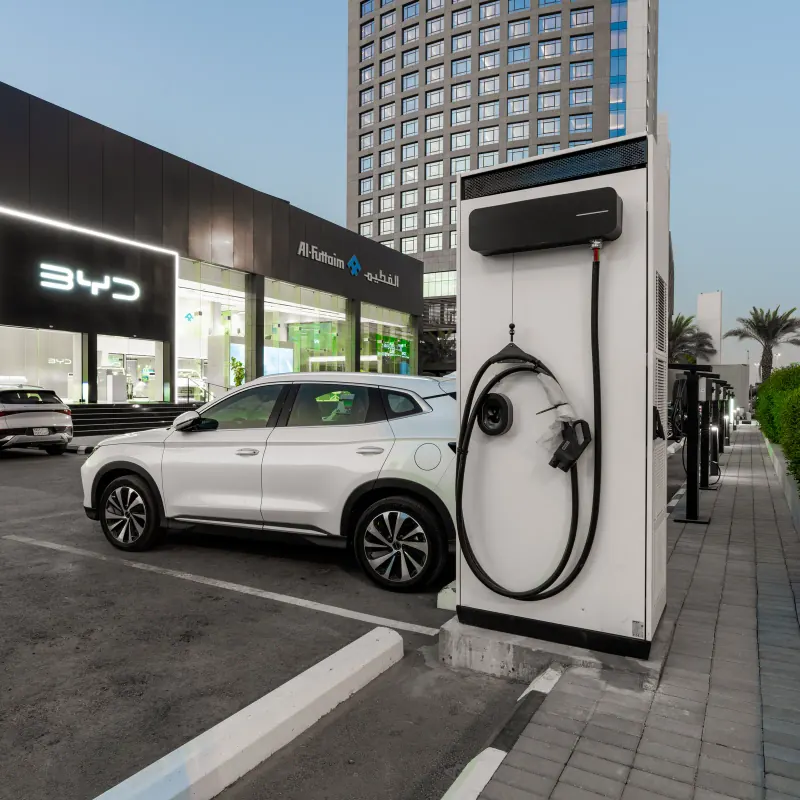
A home EV charger is one of the best upgrades for most electric vehicle owners in Saudi Arabia. You don't have to rely on public chargers, and you wake up to a full battery every morning. The choices can be confusing, though, with different power levels, brands and features. This guide covers the decisions that matter.
First, understand the charger levels. A Level 1 charger plugs into a standard household outlet and adds a small amount of range per hour. It's useful as a backup but too slow for daily driving on a pure EV. Level 2 chargers are the standard choice for homes. Within Level 2, the most common options are 7.4 kW (single-phase) and 11 kW or 22 kW (three-phase). The right one depends on your home's electrical setup and how far you drive each day.
Check what your home can support. Many Saudi villas have only single-phase power. Newer compounds and some larger villas have three-phase. Before you buy a charger, have a qualified electrician assess your panel and tell you what your home can handle. A 22 kW three-phase charger is wasted on a single-phase home. On the other hand, a small charger may not keep up if you have two EVs.
For most Saudi households, a 7.4 kW Level 2 charger is the right starting point. It charges most EVs from low to full overnight, doesn't need a three-phase upgrade, and balances speed and cost sensibly. Choose 11 kW or 22 kW only if you really need faster charging, usually because you have several EVs or you top up during the day.
Know which connector you need. Most non-Tesla EVs in Saudi Arabia use the standard Type 2 connector. Tesla vehicles use a proprietary connector, and the Tesla Wall Connector is the natural choice for homes with only Teslas (no adapter needed). Some chargers have a tethered (built-in) cable; others have a socket for your own cable. A tethered cable is more convenient for daily use. A socket is more flexible if the household has different EVs.
Features that matter: • Type 2 or Tesla connector to match your vehicle • IP54 or higher weather rating if mounting outdoors • Built-in residual current device (RCD) for ground-fault protection • Adjustable current limit so you can match it to your home's capacity • A cable long enough to reach your parking spot comfortably (typically 5 meters or more) • An app for scheduling charging during off-peak hours
Features that are often oversold: complex smart home integrations most owners never use, multi-user billing that only matters in shared compounds, and premium designer finishes that don't change how the charger works. A reliable 7.4 kW unit with weather protection and a good app is enough for most Saudi homes.
Well-known brands in Saudi Arabia include Wallbox, ABB, Schneider Electric, EVBox, and the Tesla Wall Connector for Tesla vehicles. Cheaper Chinese-made chargers are also widely available. Some are excellent, and others fail early in the Saudi summer. Whichever brand you choose, a real warranty and local support are worth more than saving a few hundred riyals upfront.
For the site survey and installation, our sister company Climatech is SEC-certified and installs the brands above (Wallbox, ABB, Schneider, EVBox, Alpitronic, Alfanar) across the Kingdom, with capacities from 7 kW residential to 400 kW commercial DC. Climatech installs the charger and EVS services your car, so owners get both through one connected process.
Several things affect how much work the installation takes and what it costs: the distance between your electrical panel and the parking spot, whether cable runs are surface-mounted or buried, whether your panel has spare capacity or needs an upgrade, and whether the charger goes indoors or outdoors. Only a site survey by a qualified installer can tell you exactly what your home needs.
Charging at home costs much less day to day than using public DC fast chargers. The exact cost depends on the SEC residential tariff that applies to you, but for any owner who drives a lot each month, home charging saves money compared with public fast charging.
Through EVS, you can request a Climatech home-charger site survey for major charger brands. EVS coordinates your request and recommends a charger; Climatech handles the electrical installation, commissioning and handover. Use the EV charger installation in Saudi Arabia service page for the current request process, then contact us by WhatsApp, phone or our online form to request a site survey.
Tap into EVS expertise
Book a free check now — a certified technician will answer every question.

Related articles
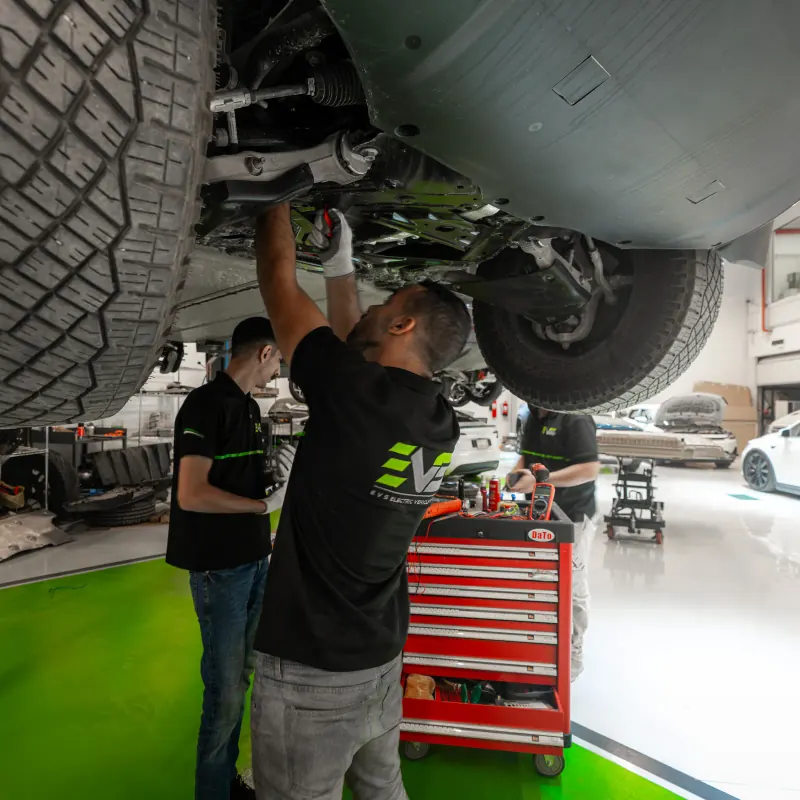
Home vs Public EV Charging in Saudi Arabia: A Real-World Cost and Convenience Comparison
Should you charge your EV at home or use public chargers? We compare cost, speed, convenience, and battery impact, with advice specific to Saudi Arabia.
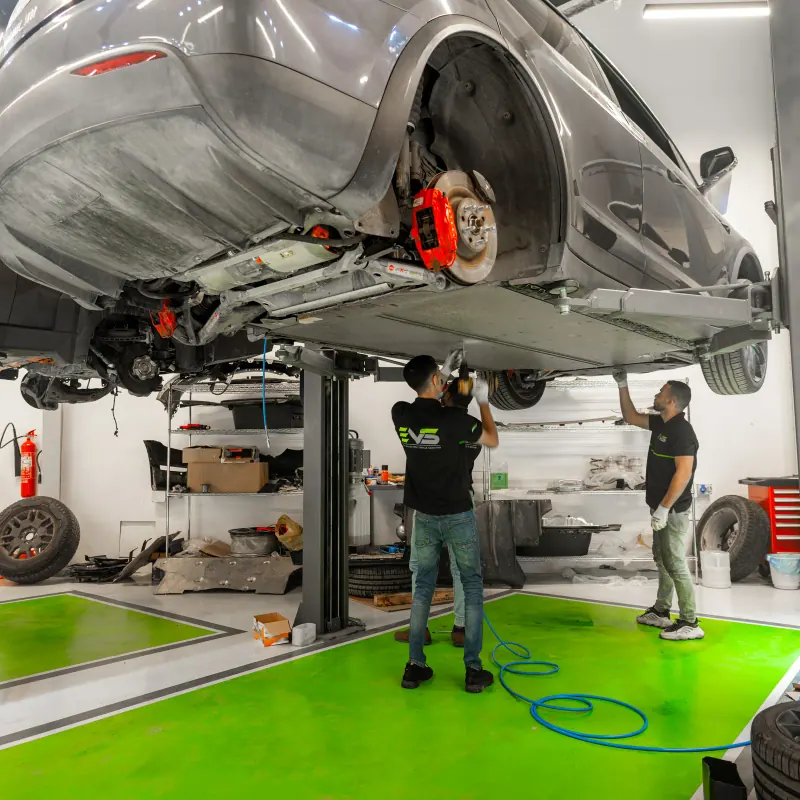
EV Charging Guide for Long Road Trips in Saudi Arabia
Taking an EV road trip from Riyadh to Jeddah, Dammam, or AlUla? A practical guide to charging stations and route planning.
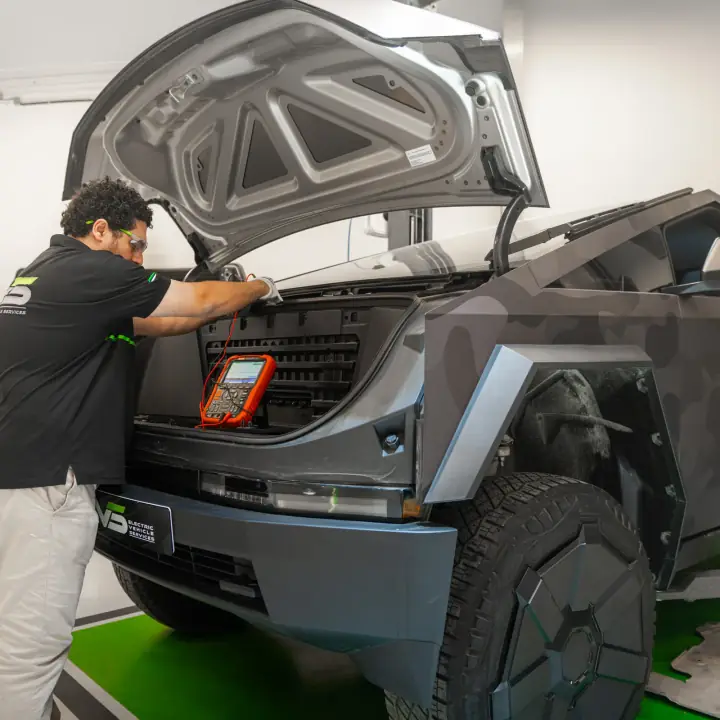
Home EV Charger Installation in Saudi Arabia: A Practical Guide
Thinking about a home EV charger? This guide covers charger types, what to check before installation, and what the process looks like.