
High Voltage EV System Repairs in Riyadh: Common Failures Explained
The high-voltage system is the most complex part of an EV and the riskiest to repair without expertise. Common failures, warning signs, and why specialists matter.
Does EVS handle high-voltage EV repair in Riyadh?
Yes. EVS handles high-voltage EV repair in Riyadh, including battery diagnostics, inverter and DC-DC converter fault tracing, cooling checks, cable and connector inspections, and safe repair planning for supported EVs.
- For EV owners in Riyadh facing high-voltage faults or needing high-voltage system diagnostics.
- Explains warning signs, safety risks, and when to stop driving before booking specialist inspection.
- Connects the issue to EVS battery and diagnostic services for owners who need repair, not only advice.
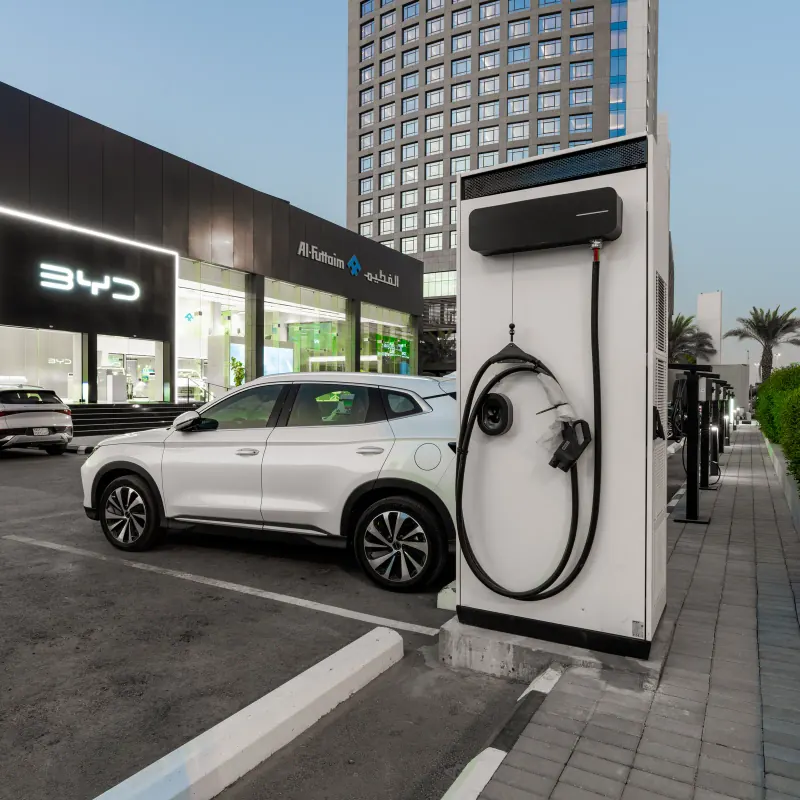
The high-voltage system is what makes a modern EV move. It is a network of lithium-ion battery cells, power electronics, motors, and cooling circuits that run at between 400 and 800 volts. When something goes wrong in this system, the result can be expensive, dangerous, or both. This guide explains the most common high-voltage failures we see in EVs across Riyadh, the warning signs to watch for, and why safe repair needs specialized high-voltage expertise.
What is the EV high-voltage system, exactly? In a petrol car, 12 volts power everything. An EV has two separate electrical systems. The standard 12-volt system runs the lights, infotainment, and small accessories. The high-voltage system powers the drive motors, fast charging, and the AC compressor. It is usually 400V on most EVs and 800V on premium models like the Porsche Taycan, Hyundai Ioniq 5, and some Lucid and Mercedes EVs. Working on high-voltage parts requires specialized training, certified insulating tools, and proper safety procedures. A general garage that doesn't work on EVs regularly can cause serious damage or put people at risk.
Common failure 1: high-voltage battery degradation. Battery cells slowly lose capacity over time, and that is normal. Sudden capacity loss, cell imbalance, or modules that keep underperforming compared with the others are not normal. In Saudi heat, batteries without proper thermal management, or with leaking cooling systems, degrade much faster than expected. Symptoms include reduced range that doesn't recover in cooler weather, charging that stops early, and warning lights related to the battery management system. Sometimes the repair can be done at module level. Replacing a single bad module costs far less than replacing the full pack, but only a specialized workshop with the right diagnostic equipment can find which module is at fault.
Common failure 2: inverter and DC-DC converter problems. The inverter converts the battery's DC power into AC power for the motor. The DC-DC converter steps high-voltage battery power down to the 12V system that runs everything else. Both produce heat and depend on cooling, so both can fail in Saudi summer if the cooling system is damaged. Symptoms include sudden power loss, weaker acceleration, dashboard warnings about "power output" or "electronic systems," and in severe cases limp mode. Owners cannot service these parts themselves, and replacing them requires manufacturer-level diagnostic tools.
Common failure 3: charging system faults. The onboard charger in your EV converts AC power from a home or public AC charger into the DC current the battery needs. When it fails, you can usually still charge from a DC fast charger, but home charging stops working. Common causes are water getting into the charge port, pins damaged by rough plugging, internal component failure, and firmware issues. Saudi sand and dust can also cause charge port problems over time if the port isn't kept clean. Symptoms include charging that won't start, charging that keeps dropping out, slower charging than expected, and error codes when you try to charge.
Common failure 4: thermal management system failures. The cooling system keeps the battery, motor, and power electronics within safe temperatures, and it works hardest in Saudi summer. Failures usually start small: a leaking coolant line, a weakening pump, a clogged radiator, or low coolant. If nobody fixes them, the temperature protection system steps in and the car reduces power on its own to prevent damage. Symptoms include reduced power in hot weather, slower fast charging, temperature warnings on the dashboard, and coolant visible under the car.
Common failure 5: high-voltage cable and connector issues. Thick orange cables carry high-voltage power between the battery, the motor, and other components. Vibration, repeated heating and cooling, and connector wear all take a toll on them. In Riyadh, the big temperature swings between 50°C summer afternoons and 15°C winter nights wear out connectors faster. When a connector develops resistance, it heats up, the heat raises the resistance further, and the cycle repeats. Left unchecked, this can damage nearby components or trigger fault codes. Symptoms include intermittent power loss warnings, fault codes that come and go, and odd behavior that is hard to reproduce.
Why specialized high-voltage repair matters. High-voltage work on an EV is very different from work on a petrol car. The technician needs certified insulating gloves and tools, training to de-energize the system safely, a diagnostic scanner that reads manufacturer-specific fault codes, and a workshop set up with proper isolation and safety protocols. When a general workshop attempts EV high-voltage work, it risks the technician's safety, your car's warranty, and damage to components connected to the original fault. EVS Riyadh is a Tesla-certified workshop with hands-on experience across 21+ EV brands, and it has the equipment, training, and procedures to diagnose and repair high-voltage systems properly.
Warning signs that need immediate attention. Book a diagnostic appointment if you notice any of these: battery warning lights that don't clear after a restart, range that drops 20%+ compared with the same season last summer, power loss or limp mode while driving, charging that fails again and again, unusual noises from the cooling system, or a smell of coolant, plastic, or anything burning near the battery. If you have active warnings, don't try to drive far.
FAQ:
Is it safe to drive an EV with high-voltage warnings? Drive only to the nearest safe place to stop. A high-voltage warning means the protection system has detected a problem, and driving on can cause more damage.
Can high-voltage system failures be repaired, or does the whole pack need replacing? Many failures are in one module or component, not the entire pack. A specialized workshop can find the exact fault and propose a targeted repair, which costs far less than a full pack replacement.
Does Saudi heat permanently damage the high-voltage system? Not if the thermal management system is healthy, because modern EVs are designed for hot climates. If the cooling system isn't maintained, yes. Heat then speeds up damage to every high-voltage component.
If your EV shows high-voltage warnings, sudden power loss, or unusual battery behavior, contact EVS via WhatsApp, phone, or our online form. Our team handles diagnostics and high-voltage repair for 21+ EV brands across Riyadh and the Central Region. We also offer battery service and extended warranty options.
Tap into EVS expertise
Book a free check now — a certified technician will answer every question.

Related articles
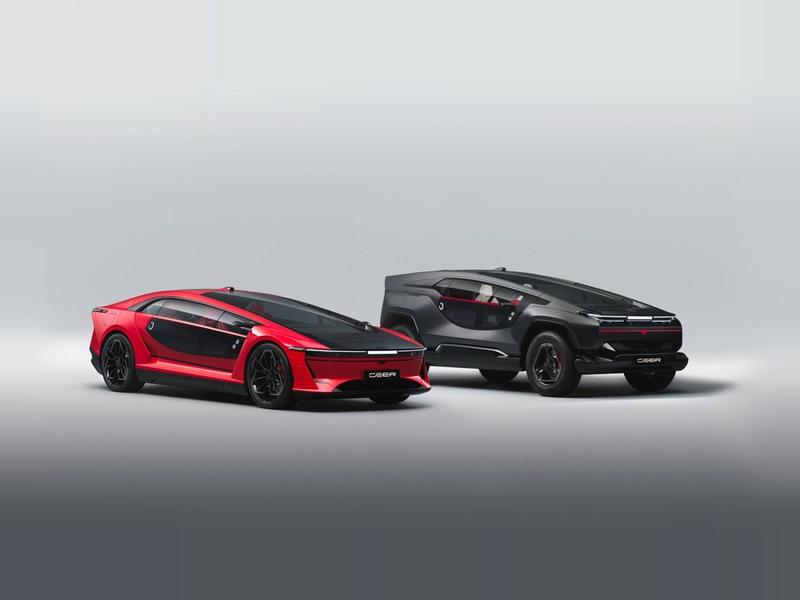
Ceer price, warranty and arrival date in Saudi Arabia
The Ceer Exobot costs SAR 399,000 with a 6-year warranty and free servicing. See its specs, its 2027 arrival date and what it means for EV owners.
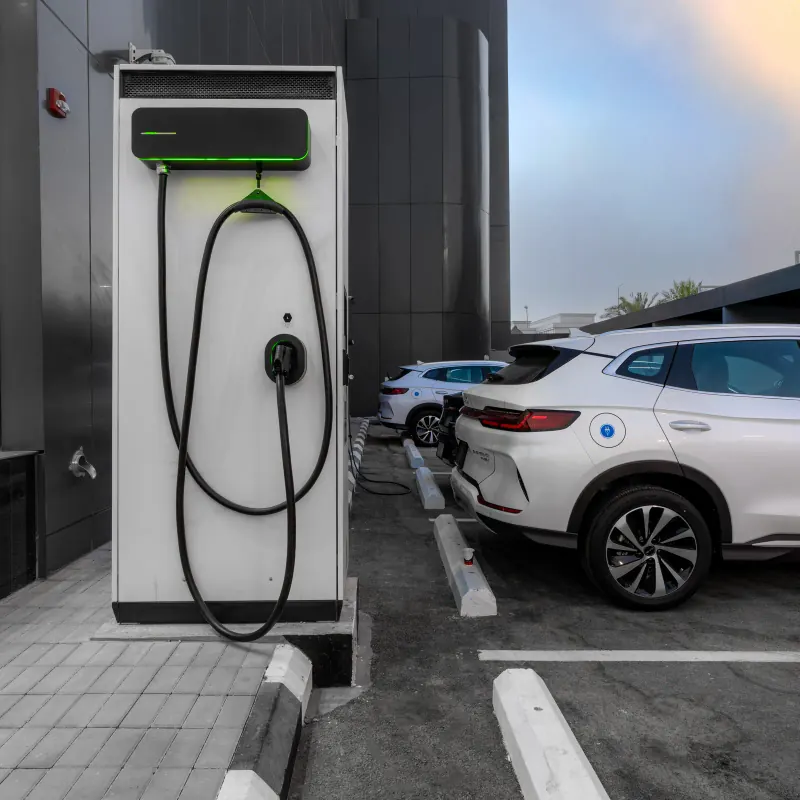
EV not charging? What to record before a diagnostic visit
Record your EV's charging error, vehicle details and recent charging history before contacting a workshop. A practical checklist for Riyadh owners.
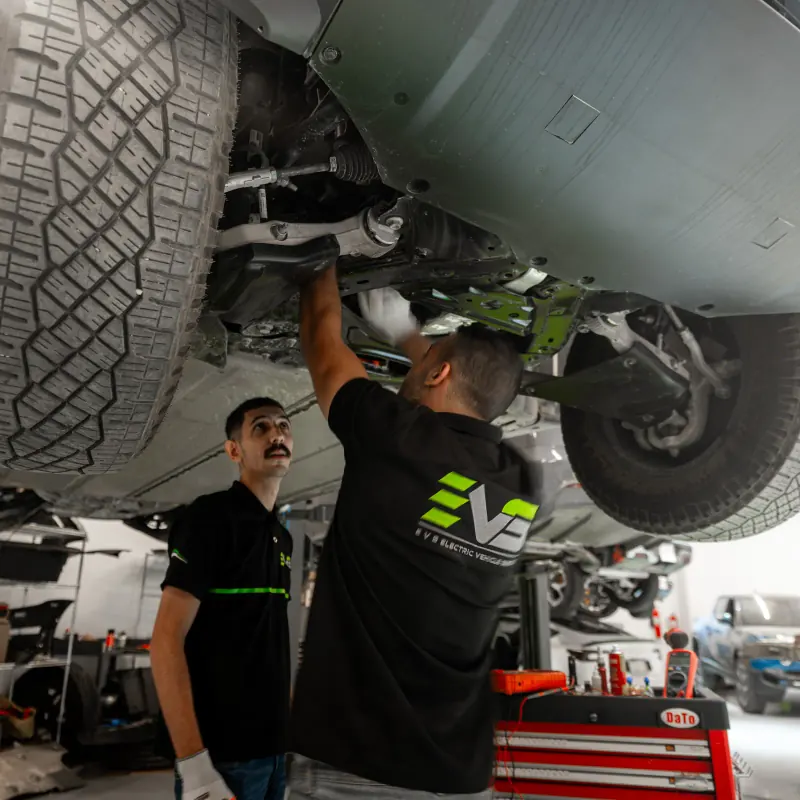
Smart #1 & #3 Maintenance in Saudi Arabia — EV Service, Warranty & Parts (2026)
Smart #1 and #3 maintenance in Saudi Arabia: battery care in the heat, tire wear, the brake service owners skip, warranty by purchase route, and service at EVS Riyadh.