
What to Do If Your EV Suddenly Loses Power While Driving in Saudi Arabia
Sudden power loss on a Saudi highway is alarming. Here is what to do, what causes it, and how to stop it from happening again.
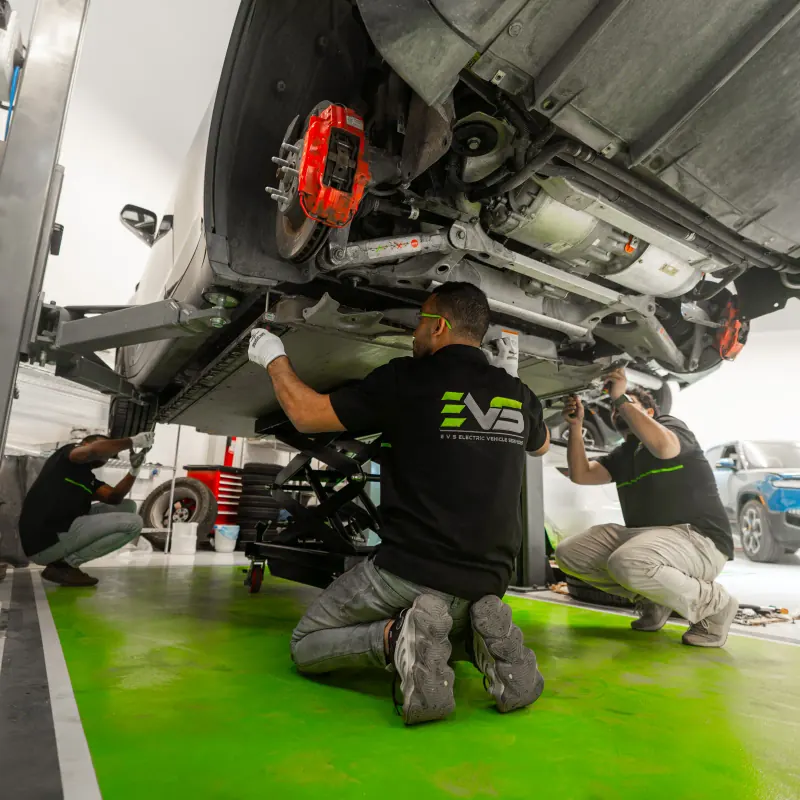
You're driving your EV on the Riyadh-Dammam highway, the AC is fighting 45-degree heat, and the dashboard suddenly lights up with warnings. Power output drops, the accelerator stops responding, and your speed starts to fall. This is rare, but every EV owner in Saudi Arabia should know what to do if it happens. This guide covers the immediate steps, the most common causes in Saudi conditions, and how to prevent it.
What to do in the first 30 seconds: stay calm. Modern EVs are designed to enter a protective "limp mode" instead of shutting down completely, which gives you time to react safely. Turn on your hazard lights right away, steer gradually toward the right shoulder, and try not to brake hard. The car may still have regenerative braking, which slows it more gently. On a multi-lane highway like the Eastern Ring Road, signal and let traffic pass you before you stop fully.
Once you have stopped safely, leave the hazards on and do not get out on the traffic side. Always exit on the passenger side, away from traffic. Then read the dashboard messages carefully. Most EVs show a specific warning code or a clear message like "Reduced Power" or "Battery System Fault." If you're not sure what a symbol means, our EV dashboard warning lights guide covers the most common ones. Take a photo of the warning screen. It helps the diagnostic technician a lot when you bring the car in.
Try a controlled restart only when it is safe. With the car parked on the shoulder and the hazards on, put it in Park, turn off the ignition, wait 60 seconds, and restart. In our experience, about 30-40% of power-loss events are software glitches that clear with a clean restart. If the warning comes back right away, do not try to drive. Call EVS or a recovery service.
Next, the common causes we see in Saudi Arabia. Heat is the biggest factor. Summer temperatures that stay at 45°C+ push the battery thermal management system close to its limits. If the cooling system is weak because of a leaking coolant line, a clogged radiator, a failing pump, or low coolant, the battery management system may cut power automatically to protect the cells. This is why EVs that skipped their annual cooling system inspection are far more likely to lose power in summer.
The second common cause is the high-voltage battery itself. Cell imbalance, a single failing module, or a worn contactor can each trigger limp mode. These problems often start as occasional warnings before they turn into a full loss of power. That is why ignoring intermittent dashboard warnings is one of the most expensive mistakes EV owners in Saudi Arabia make.
Third is the inverter and DC-DC converter. These parts convert energy between the battery and the motor. They get very hot under load, and the Saudi summer raises their cooling needs a lot. A failing inverter often causes a sudden, severe loss of power with no warning.
Fourth is the 12V auxiliary battery, which surprises people. Your EV runs on a high-voltage pack, but a small 12V battery powers the onboard computer that controls everything else. If the 12V battery is dying, the car may behave erratically, lose features, or shut down completely while you drive. Saudi heat kills 12V batteries faster than most climates, often within 2-3 years.
Fifth is software and firmware. Outdated firmware can trigger false warnings or mishandle unusual situations. Manufacturer recalls often fix these issues, but only if you install the updates. Imported EVs that don't receive over-the-air updates in Saudi Arabia are the most exposed.
How to prevent EV power loss in Saudi conditions. First, book an annual cooling system inspection that covers the pump, hoses, coolant level, and radiator. Second, get an annual battery health check that measures cell balance as well as the total state of charge. Third, replace the 12V auxiliary battery every 3 years in our climate, even if it still seems to work. Fourth, keep your firmware current. If your EV doesn't update over the air, book a manual update at a specialized workshop. Fifth, never ignore intermittent dashboard warnings, even if they disappear quickly.
When to call EVS immediately. If you lose power while driving, the safest option is recovery transport, not driving the car to a workshop. Driving with an active high-voltage warning can cause more damage and may void your warranty coverage. EVS Riyadh has diagnostic tools that read manufacturer-level fault codes for 21+ EV brands, so we can find the root cause before it turns into a more expensive repair.
FAQ: quick answers
Is it safe to drive an EV in limp mode? Only as far as the nearest safe place to stop. Limp mode means the car has detected a fault and is protecting itself. If you keep driving, the underlying problem can get worse.
Can I jump-start the 12V battery on an EV? Yes. The 12V battery can be jump-started like a regular car battery, but the high-voltage pack cannot. If your EV won't start, check the 12V system first.
Will my warranty cover power loss repairs? It depends on the cause and your warranty terms. Manufacturer warranties usually cover defects but not damage from skipped maintenance. Document everything and talk to a specialist before you approve any repair.
If your EV loses power or does anything that worries you in Saudi Arabia, contact EVS via WhatsApp, phone, or our online form. Our team handles diagnostics and recovery coordination across Riyadh and the Central Region.
Tap into EVS expertise
Book a free check now — a certified technician will answer every question.

Related articles
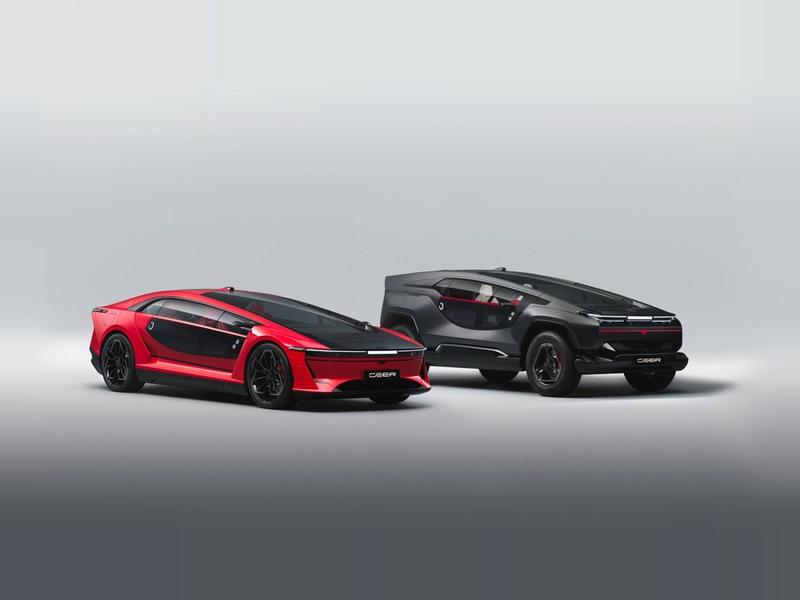
Ceer price, warranty and arrival date in Saudi Arabia
The Ceer Exobot costs SAR 399,000 with a 6-year warranty and free servicing. See its specs, its 2027 arrival date and what it means for EV owners.
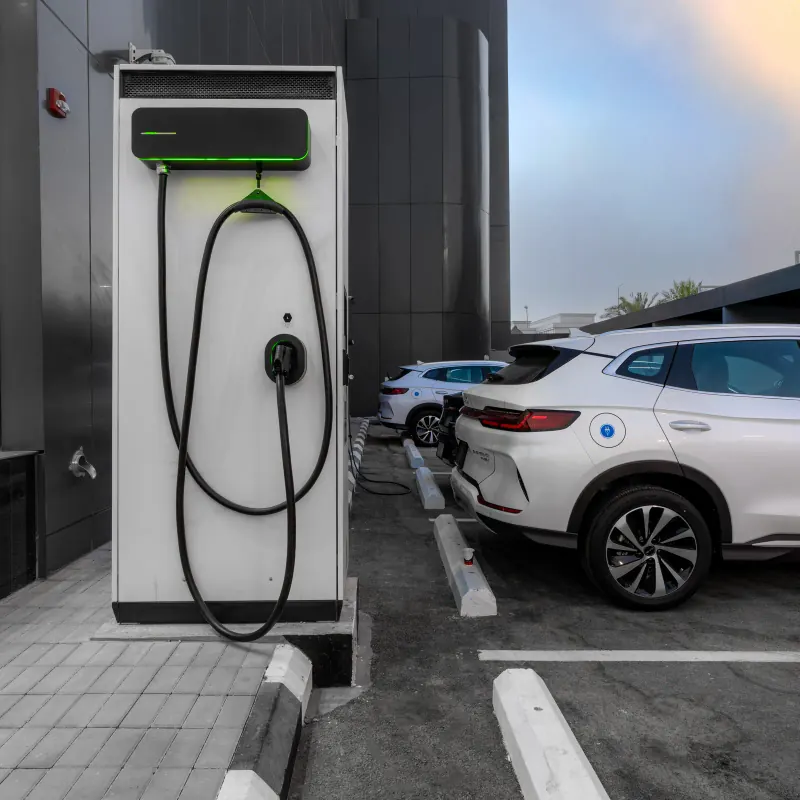
EV not charging? What to record before a diagnostic visit
Record your EV's charging error, vehicle details and recent charging history before contacting a workshop. A practical checklist for Riyadh owners.
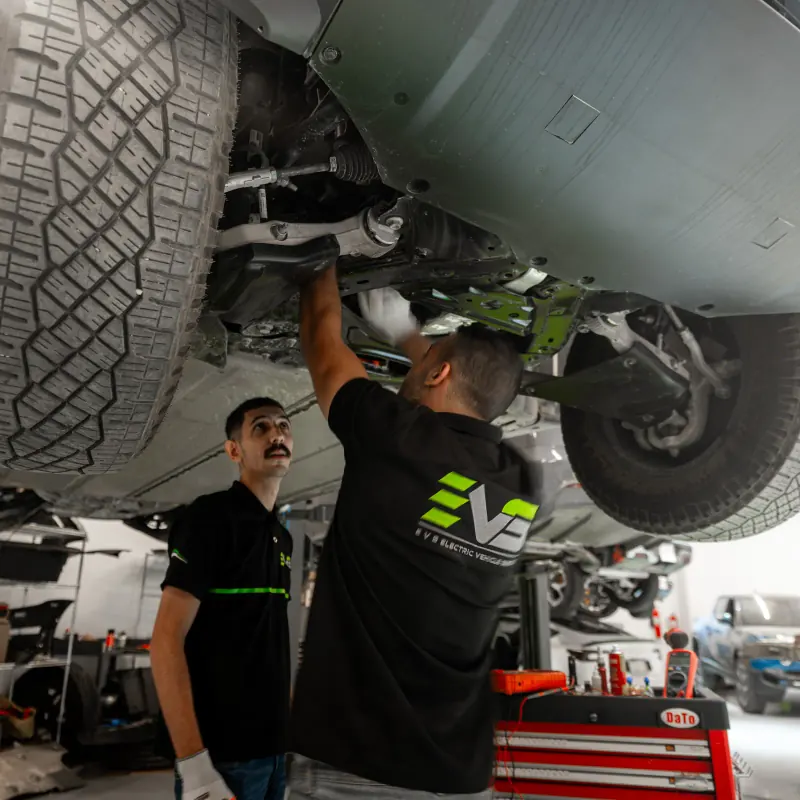
Smart #1 & #3 Maintenance in Saudi Arabia — EV Service, Warranty & Parts (2026)
Smart #1 and #3 maintenance in Saudi Arabia: battery care in the heat, tire wear, the brake service owners skip, warranty by purchase route, and service at EVS Riyadh.