
Why Is Your EV Battery Draining Faster in Saudi Summer Heat?
Does your EV battery drain faster in summer? You're not imagining it. The reasons Saudi heat cuts range, what you can do, and when you need diagnostics.
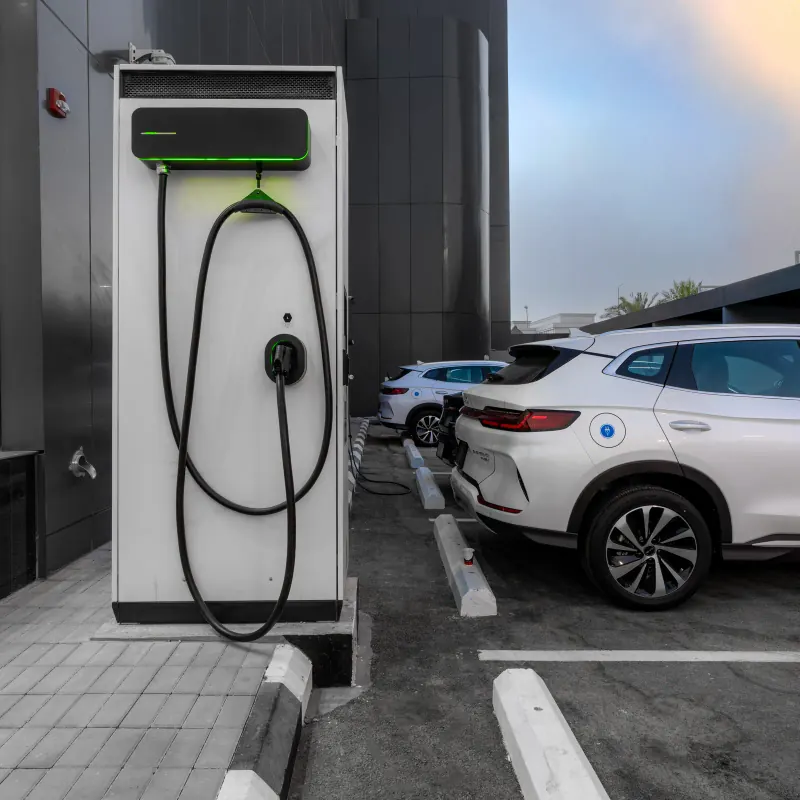
Many EV owners in Saudi Arabia notice the same thing when summer arrives: range drops, charging slows, and the battery seems to drain faster than usual. You're not imagining it. Saudi heat changes how lithium-ion batteries behave, and knowing why helps you protect your battery and get the most range from it. If the drain is sudden, continues after the weather cools, or comes with battery warnings, treat it as a diagnostic case, not normal summer range loss. This guide explains why your EV battery drains faster in Saudi summer, what is normal, what is not, and what to do about it.
The science behind heat and EV batteries. Lithium-ion cells produce heat both when they charge and when they discharge. The battery thermal management system uses liquid coolant to keep the cells in their ideal temperature range, usually between 20°C and 35°C. When outside temperatures hit 45°C+ in Riyadh, Jeddah, or Dammam, the cooling system has to work much harder to hold that range. If it can't keep up, the battery management system cuts available power and limits charging speed to protect the cells from faster degradation. What you notice is less range, slower charging, and a battery that seems to drain faster.
Saudi-specific factors that make it worse. First is the air conditioning load. Cooling a cabin from 65°C down to 23°C in afternoon sun can draw 4-6 kW of continuous power. That is the energy needed to drive an extra 30-50 km every hour, spent only on cabin cooling. Second is where you park. Parking in direct sun in summer raises the battery's resting temperature, so the cooling system starts every drive already behind. Third is the highway speed common between Saudi cities. Driving at 120-130 km/h on the Riyadh-Jeddah route uses far more energy per km than driving at 100 km/h.
Driving habits that drain your battery faster in summer. Hard acceleration uses much more energy than smooth driving, and Saudi summer is the worst time for it. Highway speeds above 110 km/h raise aerodynamic drag sharply. Setting the AC to 18°C instead of 23°C uses noticeably more power. Running several electronics at once (phone charging, infotainment, dashcam, sound system) adds up. Roof racks or cargo boxes you don't need add drag and weight.
Technical issues that cause abnormal drain. Sometimes faster drain is a real problem and not the summer. Watch for these signs: a sudden 15%+ drop in usable range compared with last summer, charging that won't reach 100% or stops earlier than before, a battery that loses charge while parked overnight, or significant cell imbalance warnings. These can point to a failing battery module, a leaking coolant line, a weak 12V auxiliary battery, or firmware that needs an update. An annual battery health check at a specialized workshop catches these issues before they get expensive.
How to get the most range in Saudi summer. Park in shade or covered parking whenever you can. Even partial shade makes a real difference. Use preconditioning: cool the cabin while the car is still plugged in, so the AC energy comes from the grid instead of the battery. Set the AC to 23-24°C with seat ventilation instead of 18-20°C on full blast. Drive at 100-110 km/h on highways instead of 130 km/h when you can. Charge to 80% for daily use and save 100% for trips that need the full range. Use eco mode in the city to limit hard acceleration. Keep tires at the recommended pressure, because under-inflated tires add a lot of rolling resistance.
When home charging matters most. Public DC fast charging in summer is harder on the battery than slow home charging. High outside heat, the heat from fast charging itself, and back-to-back sessions together speed up degradation. If you have a home Level 2 charger, make it your main way to charge in summer and save fast charging for road trips. EVs that mostly charge slowly at home keep their range much better year after year than EVs that rely heavily on public fast chargers.
When drain is a warning sign, not just summer. Get a battery health check if your range drops more than 20% compared with the same season last year, or if one drive uses far more energy than similar drives a few weeks earlier. Saudi heat shouldn't permanently degrade a healthy battery, because modern thermal management systems are designed for our climate. Heavy drain that doesn't recover when temperatures fall points to a real problem.
FAQ:
Is it normal for my EV range to drop 20-30% in summer? A 15-25% drop on extreme heat days is typical for most EVs. If range keeps dropping 30%+ even on milder days, get it checked.
Does fast charging really damage the battery? Occasional fast charging is fine. Daily fast charging in Saudi heat does speed up degradation over the years. Charge slowly when you can.
How long should an EV battery last in Saudi Arabia? Modern EV batteries are designed for 8-15 years of normal use. With good habits like moderate charging, shade parking and annual health checks, Saudi heat doesn't shorten that lifespan much. Neglect does.
If your EV battery drains faster than it should, contact EVS via WhatsApp, phone, or our online form to book a battery health check. Our team services 21+ EV brands across Riyadh and the Central Region through our specialized battery service.
Tap into EVS expertise
Book a free check now — a certified technician will answer every question.

Related articles
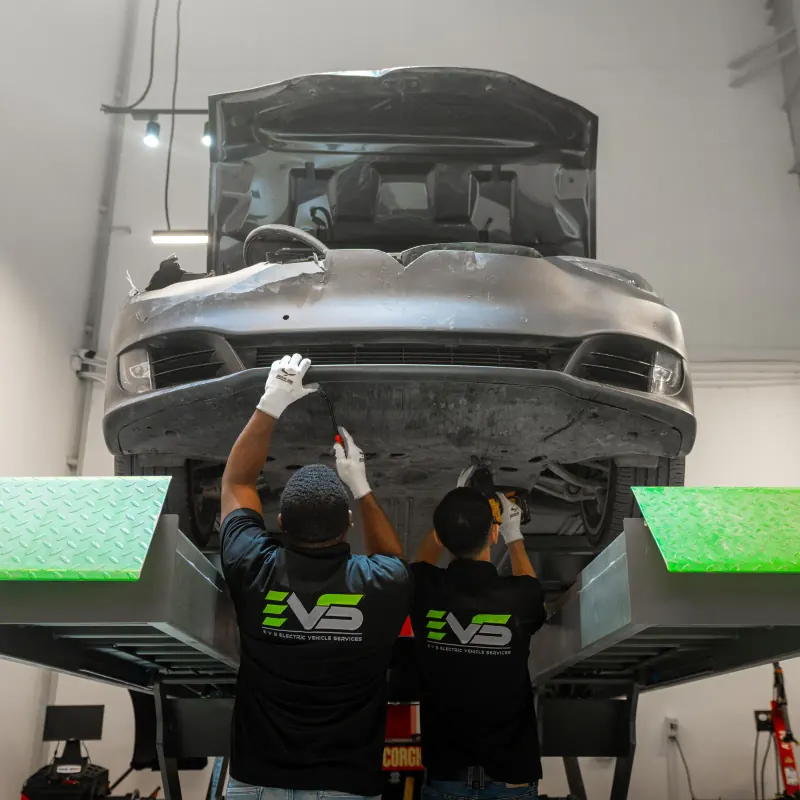
How to Maintain Your EV Battery in Saudi Arabia's Hot Climate
Practical tips to extend your EV battery's life in extreme heat, covering charging habits and thermal management.
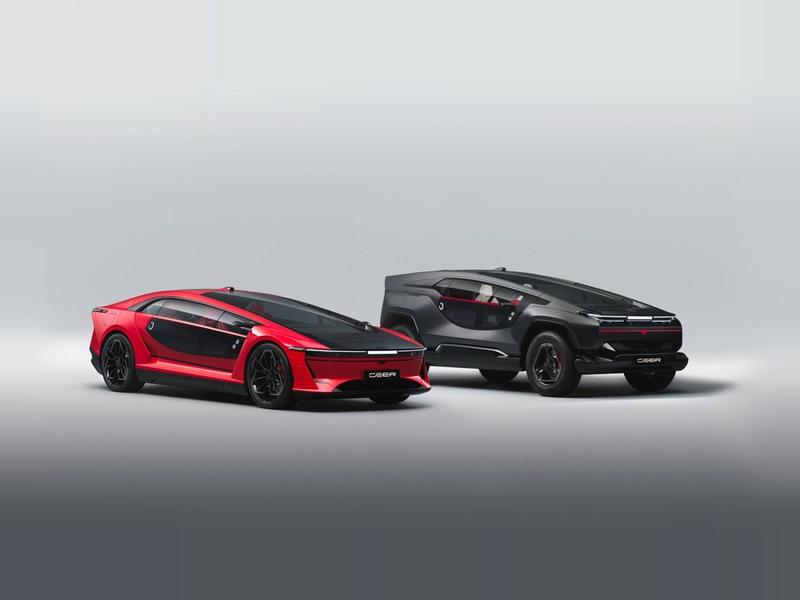
Ceer price, warranty and arrival date in Saudi Arabia
The Ceer Exobot costs SAR 399,000 with a 6-year warranty and free servicing. See its specs, its 2027 arrival date and what it means for EV owners.
EV not charging? What to record before a diagnostic visit
Record your EV's charging error, vehicle details and recent charging history before contacting a workshop. A practical checklist for Riyadh owners.