
Are Chinese EVs Reliable in Saudi Arabia? An Honest 2026 Assessment
Chinese electric vehicles dominate the Saudi market, but are they reliable in the heat? Here's what we see in our workshop every day.
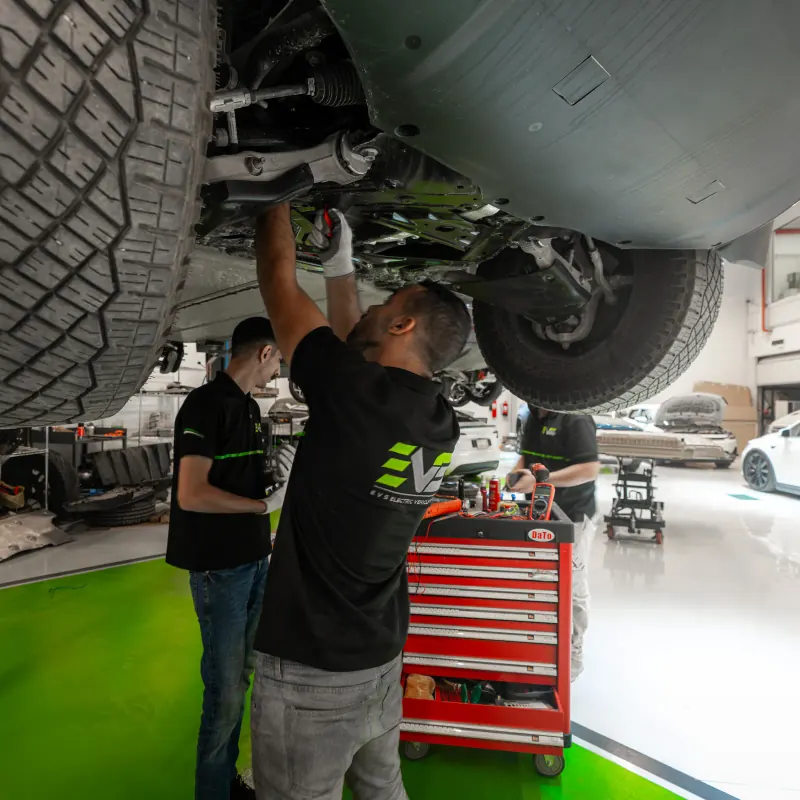
Chinese electric vehicles have become very popular across Saudi Arabia. Walk through any parking lot in Riyadh and you'll see BYD Han, LiXiang L9, Zeekr 001, Voyah Free, Avatr 11, NIO ET7, XPeng G9 and dozens of other models that weren't sold in the Kingdom five years ago. They cost less than their European and American rivals and often come with more features and equipment. Every buyer asks the same question, though: are they reliable in Saudi heat? Here's an honest assessment from a workshop that services dozens of Chinese EVs every week.
The short answer: modern Chinese EVs are much more reliable than most people assume, but some specific issues do exist, and you need to know what to watch for.
Battery reliability is where Chinese EVs have caught up with Western rivals, and in some cases passed them. BYD's Blade Battery and CATL's LFP chemistry (used by most Chinese brands) are among the safest and most thermally stable battery technologies in the industry. In our workshop, we've seen far fewer battery failures on LFP-equipped Chinese EVs than on older vehicles with NMC chemistry. Real-world degradation after 100,000 km is typically 5-10%, which is the same as Tesla or better.
On thermal management, the best Chinese EVs (BYD Seal, Zeekr 001, LiXiang L9) have advanced liquid cooling systems that handle the Saudi summer well. Cheaper models sometimes cut corners here. You see it when charging slows down sooner in hot weather and the battery degrades faster. Before buying, ask whether the model has active liquid cooling. If it's air-cooled only, expect range and charging speed to drop noticeably in summer.
Build quality has improved a lot. Chinese cars from 2018-2020 often had uneven panel gaps, cheap interior plastics and poor paint. By 2024-2026, top Chinese EVs have interior materials and fit and finish that rival German luxury cars, and the gap is closing fast.
Software and infotainment are the biggest strength of Chinese EVs, and sometimes a weakness. The infotainment systems are usually among the most advanced in the industry, with huge screens, AI voice assistants, built-in apps and over-the-air updates. The problem for Saudi owners is that some imported Chinese EVs arrive with Chinese-language systems, China-only map data and locked features that don't work in the Kingdom. A specialized workshop can almost always fix this (we do it regularly at EVS), but it's an extra step most owners don't expect.
Where reliability issues actually show up: 1. High-voltage harness connectors. On some models, the connectors are not rated for the extreme heat cycles of the Saudi summer and can develop resistance problems over 2-3 years. A qualified EV workshop can inspect and reseat them during annual service. 2. 12V auxiliary battery failures. The small 12V battery that runs the onboard computer dies faster in Saudi heat, usually every 2-3 years. It's a cheap fix, but it surprises a lot of owners. 3. AC compressor stress. Running the AC at maximum for long periods in 45°C+ weather puts a heavy load on the electric AC compressor. Some budget Chinese models use compressors that are too small for our climate. An annual AC system inspection is essential. 4. Software glitches. Occasional infotainment freezes, map errors or charging port problems, which a firmware update almost always fixes.
The single biggest risk is the warranty gap. Most imported Chinese EVs arrive in Saudi Arabia without local warranty coverage. If something goes wrong, you pay for it yourself. This is the reliability question most buyers should really be asking. A car can be mechanically reliable and still ruin your year if one part fails and you have no coverage. An extended warranty from EVS or a similar qualified provider protects you against that.
Are they reliable enough to buy? Yes, with three conditions. First, choose a top model with active liquid battery cooling, not a budget air-cooled version. Second, get a pre-purchase inspection if you're buying used. Third, get an extended warranty before problems start, especially if your car didn't come with Saudi coverage. Do these three things and a modern Chinese EV will serve you reliably for years.
At EVS Riyadh, we specialize in Chinese EVs. We have the diagnostic tools, the hands-on experience and warranty packages designed for these cars. We can help with a pre-purchase inspection, routine service, software updates or an extended warranty. See the brands we service or contact us by WhatsApp, phone or our online form for an honest consultation about your vehicle.
Tap into EVS expertise
Book a free check now — a certified technician will answer every question.

Related articles
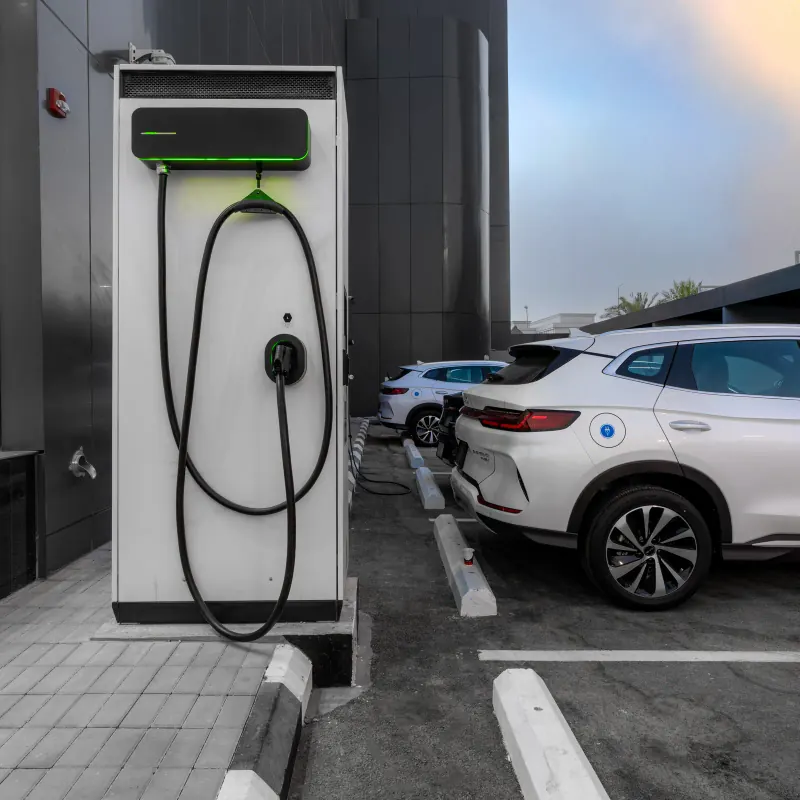
EVs, Hybrids & Range Extenders: What's the Difference and Why It Matters for Maintenance
Not all electrified vehicles are the same. Knowing whether you drive a pure EV, a hybrid or a range extender helps you maintain it properly.
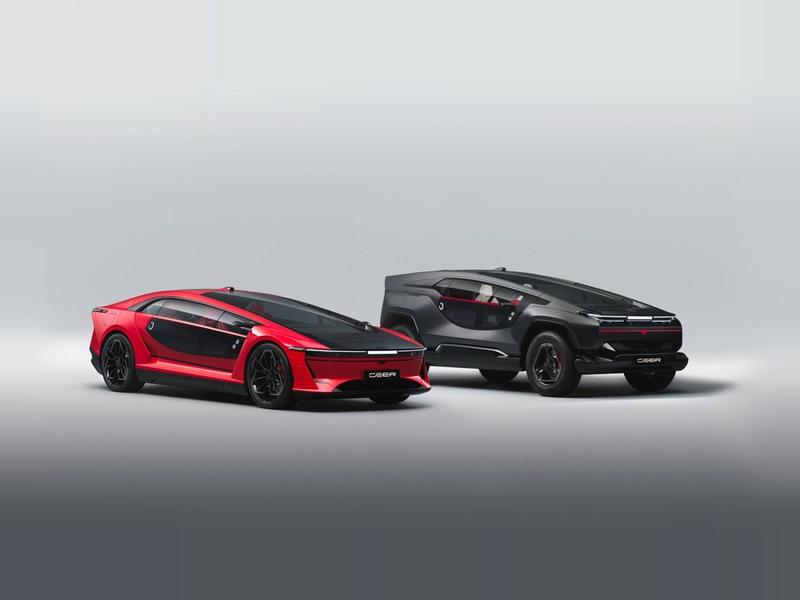
Ceer price, warranty and arrival date in Saudi Arabia
The Ceer Exobot costs SAR 399,000 with a 6-year warranty and free servicing. See its specs, its 2027 arrival date and what it means for EV owners.
EV not charging? What to record before a diagnostic visit
Record your EV's charging error, vehicle details and recent charging history before contacting a workshop. A practical checklist for Riyadh owners.