
Tesla Battery Health in Saudi Arabia: How to Make Yours Last
Tesla batteries can last hundreds of thousands of kilometers, but Saudi heat adds stress. Here's how to protect yours and what to do if it fails.
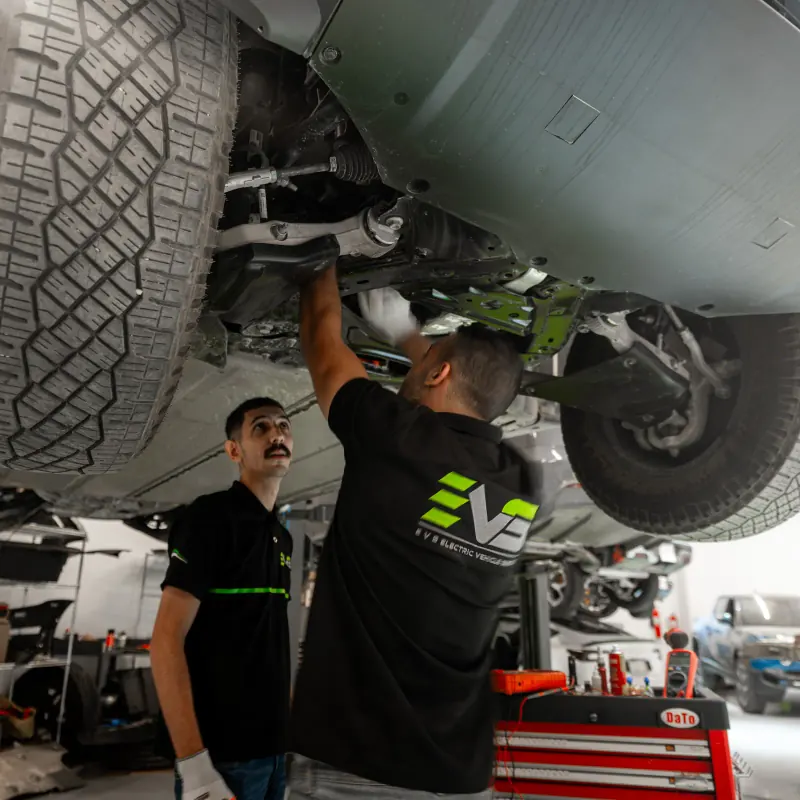
Tesla batteries are among the best engineered in the EV industry, but Saudi Arabia's climate is hard on any battery. Tesla owners in the Kingdom should know how to protect this expensive part. This guide explains how Tesla batteries age, which habits help them last, and what your options are if something goes wrong.
First, the good news: most Tesla owners never need a full battery replacement. Tesla batteries are designed for hundreds of thousands of kilometers of normal use. The factory battery warranty (typically 8 years or 192,000 km depending on model) covers significant capacity loss or outright failure during that period. If your battery is under warranty and degrades below 70% of original capacity, Tesla typically replaces it.
How Saudi heat affects your battery. Lithium-ion cells degrade faster at high temperatures, especially when they sit at a high state of charge for long periods. The worst case is a fully charged Tesla parked in 50°C summer sun. Frequent fast charging while the battery is already hot also speeds up wear. Tesla's built-in thermal management actively protects the battery, but it has to work harder in Saudi conditions, and good habits make a real difference over the years.
Daily charging habits that protect the battery: • Stick to 80% as your daily charge target. Save 100% for longer trips when you need the range. • Don't let the battery sit below 20% for long periods, especially in heat. • Use scheduled charging so charging finishes just before you drive. This avoids long periods at a high state of charge. • Avoid back-to-back fast charging sessions when the battery is still hot from the last one. • Park in shade or covered parking whenever you can, especially in summer. • Use Tesla's preconditioning feature before driving on hot days. It cools the battery with grid power, not with the battery's own energy.
Fast charging in Saudi heat. DC fast charging is convenient, but it's harder on the battery than slower home charging, especially in summer. The car's thermal system automatically slows charging if the battery is too hot. That's a protection, not a fault. For everyday charging, a home charger is much better for long-term battery health than relying on public fast chargers.
When to do a battery health check. We recommend an annual battery health check from about year 3 of ownership, and before buying any used Tesla. A specialized workshop measures state of health (SOH), checks cell balance and spots worrying patterns before they turn into expensive problems. Finding a weak module early costs far less than waiting until the whole pack needs work.
Signs that a battery check is due: an unusual range drop compared with last year, fast charging that slows down sharply, battery warnings on the dashboard, sudden jumps in state of charge, or charging that won't complete. Any of these is a reason to book a diagnostic.
Module-level repair vs full pack replacement. A Tesla battery pack is made up of several modules. When something goes wrong, often only one or two modules have failed cells, not the whole pack. A specialized EV workshop with the right diagnostic equipment can find the exact fault and replace only the affected module. This costs far less than replacing the whole pack and is often the right approach for out-of-warranty repairs. A general workshop usually can't do this, so it will quote you a full pack replacement instead.
If your Tesla was imported without Saudi warranty coverage. Many Teslas in the Kingdom were parallel-imported and have no local factory warranty support. For these cars, a comprehensive third-party warranty matters, because it covers the most expensive parts: the battery, drivetrain and power electronics. EVS offers warranty options designed for imported EVs that fall outside factory coverage.
In short, Tesla batteries last a long time when they're treated well. The most important things you can do are to charge to 80% daily, park in shade when possible, precondition before driving in extreme heat, and get an annual battery health check from a specialized workshop starting around year 3. EVS Riyadh is a Tesla-certified workshop and can give you an honest assessment of your battery's health and your repair options if something does go wrong. Contact us by WhatsApp, phone or our online form to book a Tesla diagnostic, including battery health checks and extended warranty options.
Tap into EVS expertise
Book a free check now — a certified technician will answer every question.

Related articles
Complete Tesla Maintenance Guide for Saudi Arabia
What Tesla owners in Saudi Arabia need to know about maintenance: AC service, brake fluid, software updates and tire rotation.
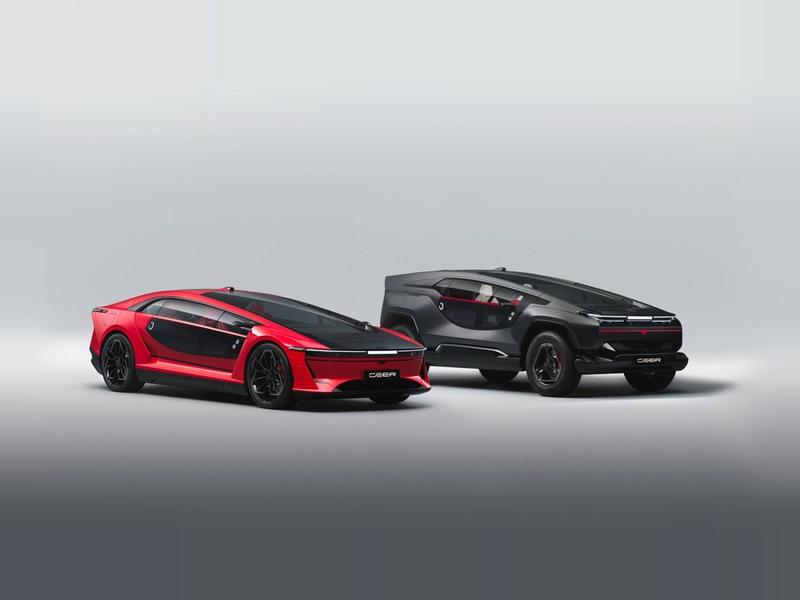
Ceer price, warranty and arrival date in Saudi Arabia
The Ceer Exobot costs SAR 399,000 with a 6-year warranty and free servicing. See its specs, its 2027 arrival date and what it means for EV owners.
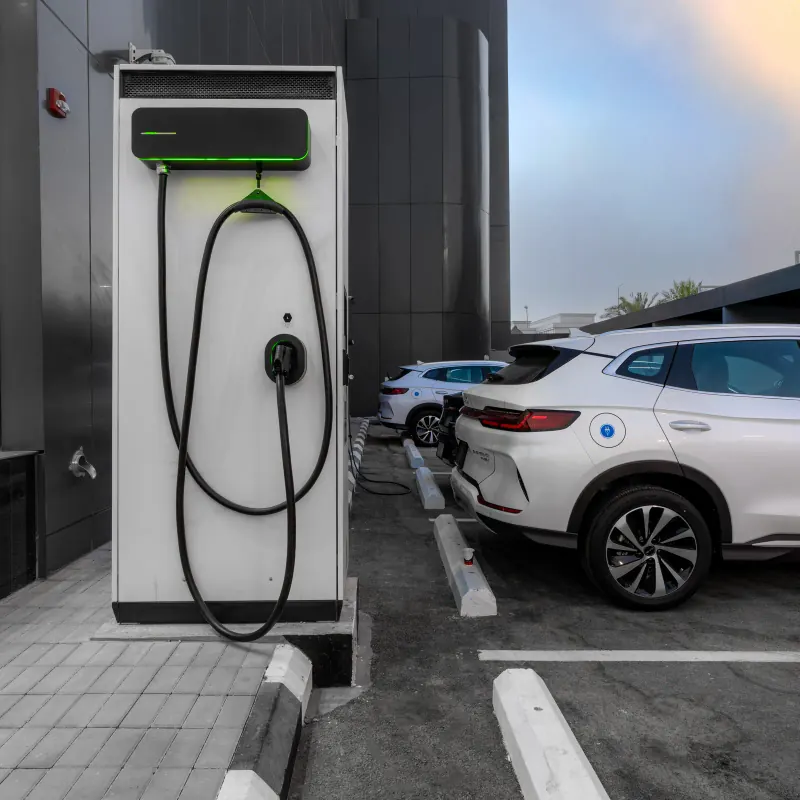
EV not charging? What to record before a diagnostic visit
Record your EV's charging error, vehicle details and recent charging history before contacting a workshop. A practical checklist for Riyadh owners.