
Why Software Updates and ECU Programming Matter for Your EV
Your electric vehicle runs on software as much as on electricity. Here's why keeping it updated matters for performance and safety.
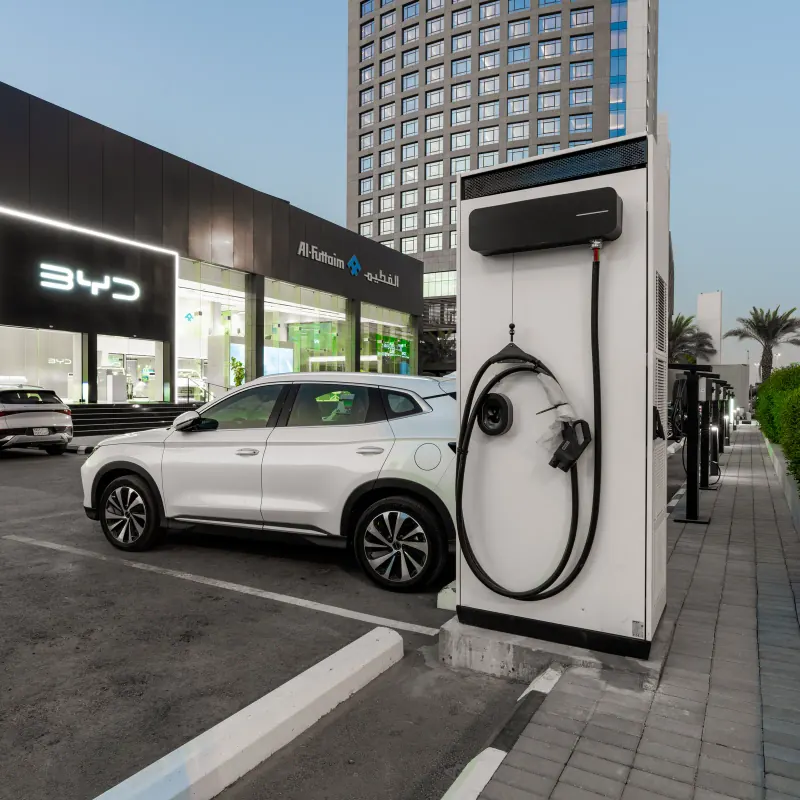
Modern electric vehicles, hybrids and range extenders are computers on wheels. Their software controls battery management, motor performance, regenerative braking and climate control, and it needs regular updates to keep your vehicle running well.
Over-the-air (OTA) updates are now common in newer EVs, but support varies between vehicles. Many Chinese EVs and older electric vehicles need manual software updates through diagnostic equipment. If you miss these updates, you can end up with lower efficiency, unfixed bugs, and even safety flaws that the manufacturer has already fixed.
ECU (Electronic Control Unit) programming matters too. Your EV has dozens of ECUs, each controlling a different system. When a part is replaced or repaired, the ECU often needs recalibration to work properly with it. Wrong ECU programming can cause reduced performance, false warning lights or even damage to parts.
The Battery Management System (BMS) is probably the most important software in your EV. It controls charging, discharging, cell balancing and heat management. BMS updates can improve charging speed, extend range and protect your battery from degradation. At EVS, we always check for BMS updates during battery service appointments.
At EVS Riyadh, our programming and software team uses manufacturer-level diagnostic tools to update, program and calibrate every system in your electric, hybrid or range extender vehicle. That includes BMS optimization and full ECU reprogramming, so your vehicle's software stays current. Book a diagnostic appointment to make sure your vehicle is running the latest software.
Tap into EVS expertise
Book a free check now — a certified technician will answer every question.

Related articles
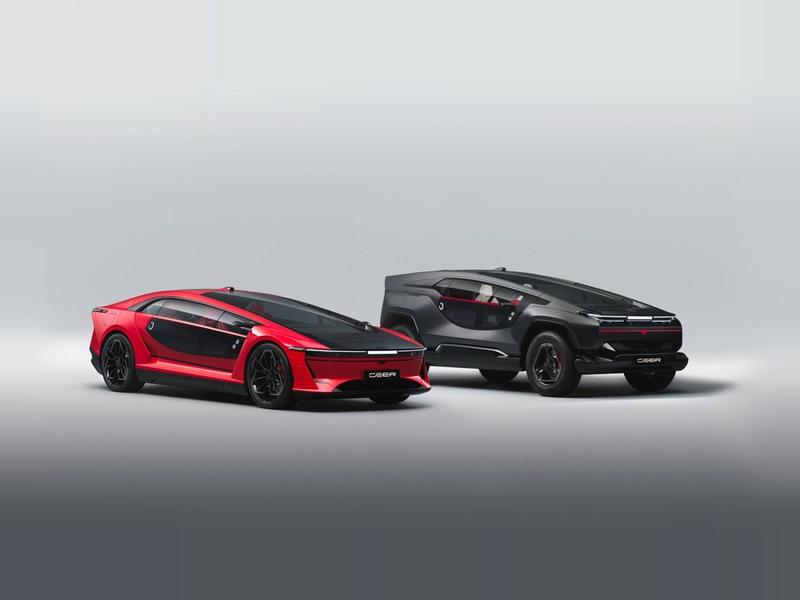
Ceer price, warranty and arrival date in Saudi Arabia
The Ceer Exobot costs SAR 399,000 with a 6-year warranty and free servicing. See its specs, its 2027 arrival date and what it means for EV owners.
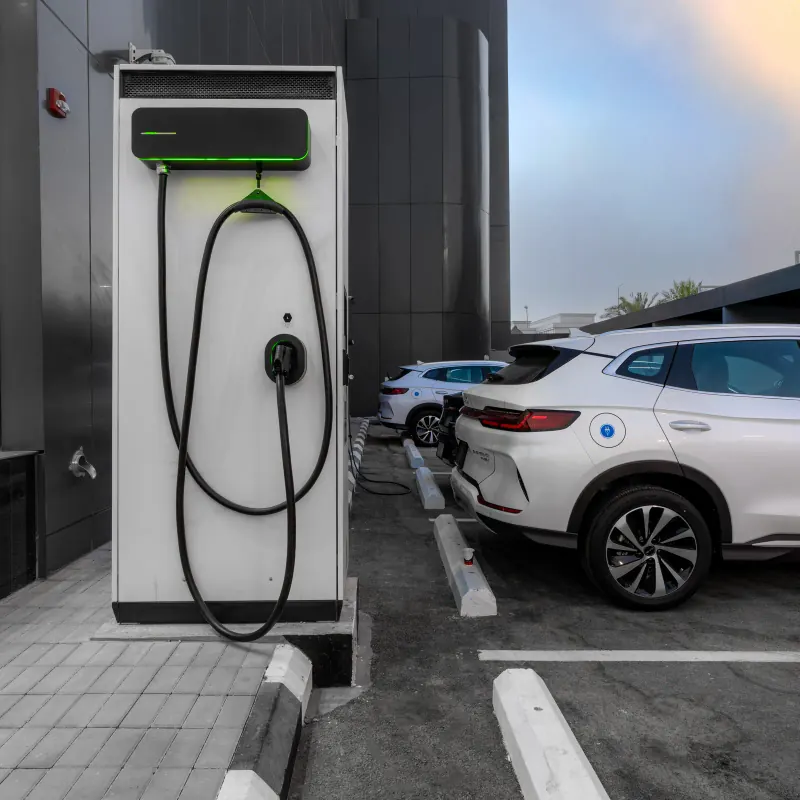
EV not charging? What to record before a diagnostic visit
Record your EV's charging error, vehicle details and recent charging history before contacting a workshop. A practical checklist for Riyadh owners.
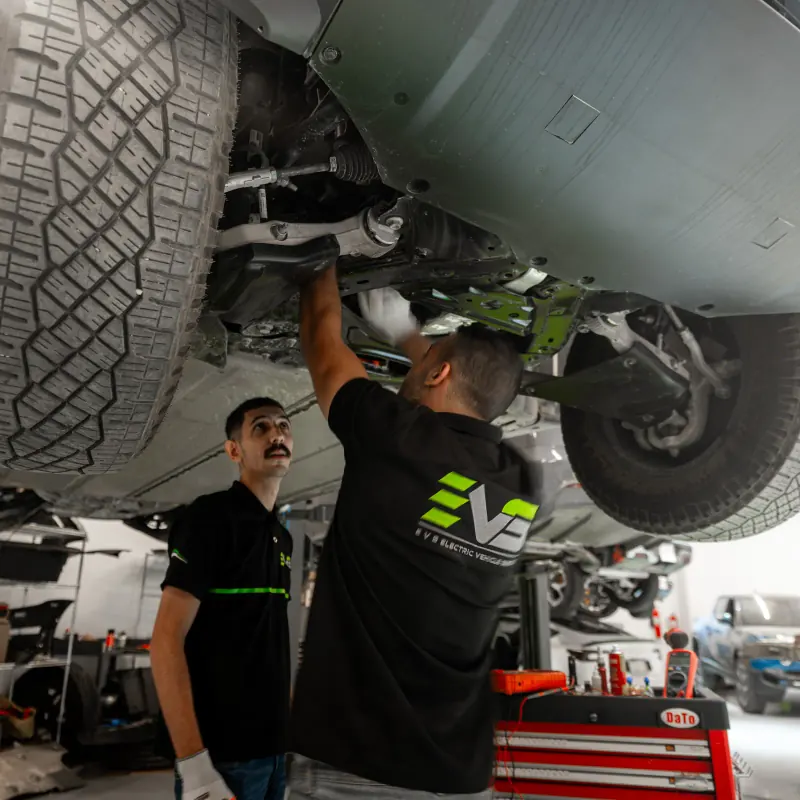
Smart #1 & #3 Maintenance in Saudi Arabia — EV Service, Warranty & Parts (2026)
Smart #1 and #3 maintenance in Saudi Arabia: battery care in the heat, tire wear, the brake service owners skip, warranty by purchase route, and service at EVS Riyadh.